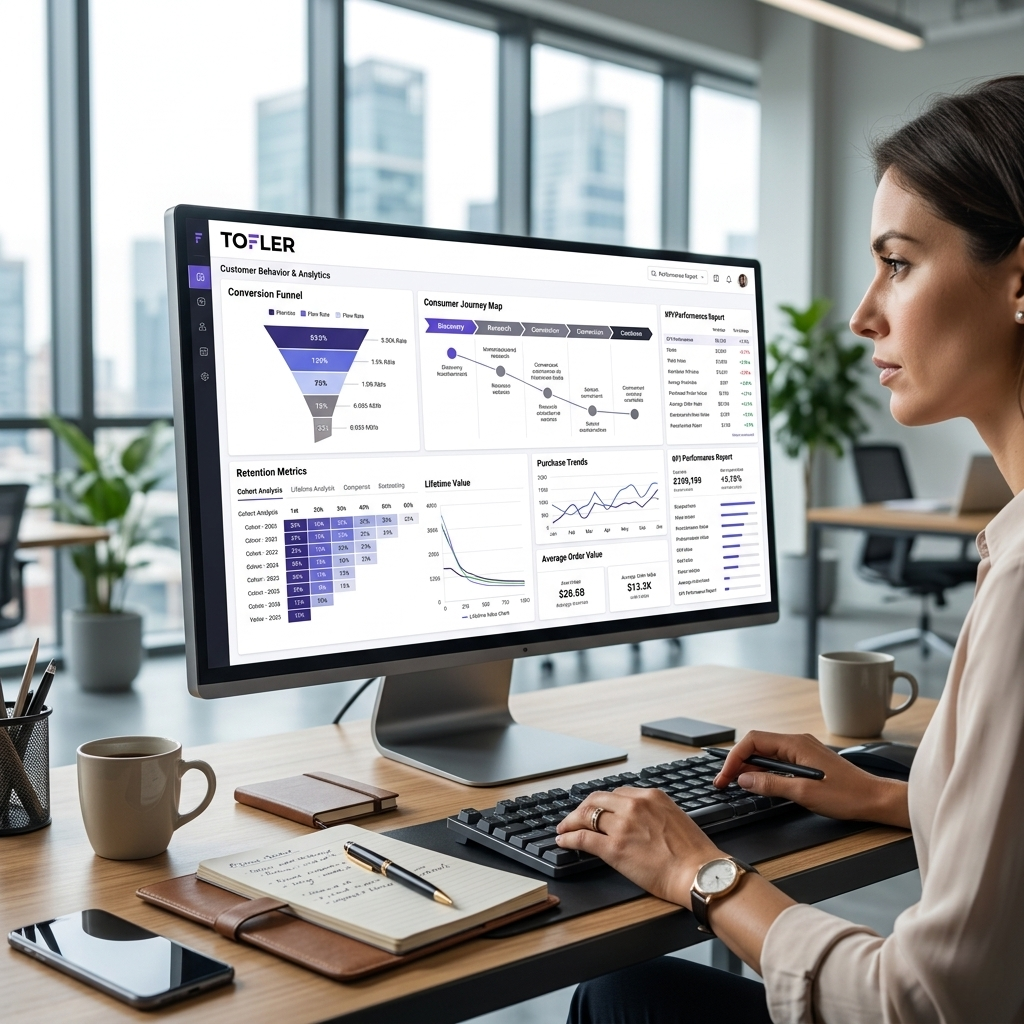
Five years ago, e-commerce brands primarily competed based on price. A couple of years later, speed became the differentiator. By 2026, neither price nor speed will be enough by themselves.
Today’s consumers expect businesses to know them before they buy. They look for relevant product recommendations, seamless mobile experiences, transparent policies with fair shipping options, and speedy delivery. If a brand does not provide this, consumers can switch to a different brand within seconds.
This change is causing businesses to rethink how they attract, engage, and retain their customers. Many of the strategies that used to work just a few years ago are now yielding lower and lower results.
Furthermore, many of the new technologies that have entered the marketplace, as well as changing consumer behaviours, have created more opportunities for those businesses that can move fast enough to adjust.
In this blog, we will understand these changes and their impact on businesses in 2026 and beyond.
The E-Commerce Consumer of 2026
Today’s consumers are more connected and more knowledgeable on multiple levels than they have ever been in history. They take time before purchasing anything by comparing products across multiple platforms, reading reviews, viewing creator videos, and asking for recommendations from people they trust. As a result, they experience a fragmented purchase journey compared to years past.
Consumers are also making purchase decisions based more on convenience than price. They now want to receive immediate answers to questions, to have checkouts without any friction, to have their payment options be flexible, and to receive delivery updates on time.
Nowadays, consumers want brands to respect them and their time. All of the extra clicks, additional time, and confusion will create a greater chance for consumers to abandon their carts before completing their purchase.
How Consumer Expectations Have Changed?
Instead of spending hours on shopping platforms, relying on sale flyers (with no guarantees), and waiting up to 14 days for orders to arrive, today’s consumers have changed how they shop.
| Consumer Expectations Then | Consumer Expectations Now |
| Home delivery within weeks. | Fast and same-day delivery |
| Generic product promotions | Personalized recommendations |
| Basic Customer Service | Live chat and instant service |
| Desktop-focused experience | Mobile-focused experience |
| Brand messaging | Honesty and transparency |
| Shipping and delivery confirmation emails | Live order visibility and tracking |
This evolution provides businesses with both opportunities and challenges to either enhance customer loyalty by adapting to these changes or lose market share by not adapting.
3 Influences Changing How E-Commerce Operates
The buying habits of customers are changing due to several powerful influences that impact the consumer. By understanding the various forces affecting the e-commerce landscape, companies will have a better chance of making smart strategic decisions to help improve overall company performance.
- AI Is Changing What Personalization Looks Like
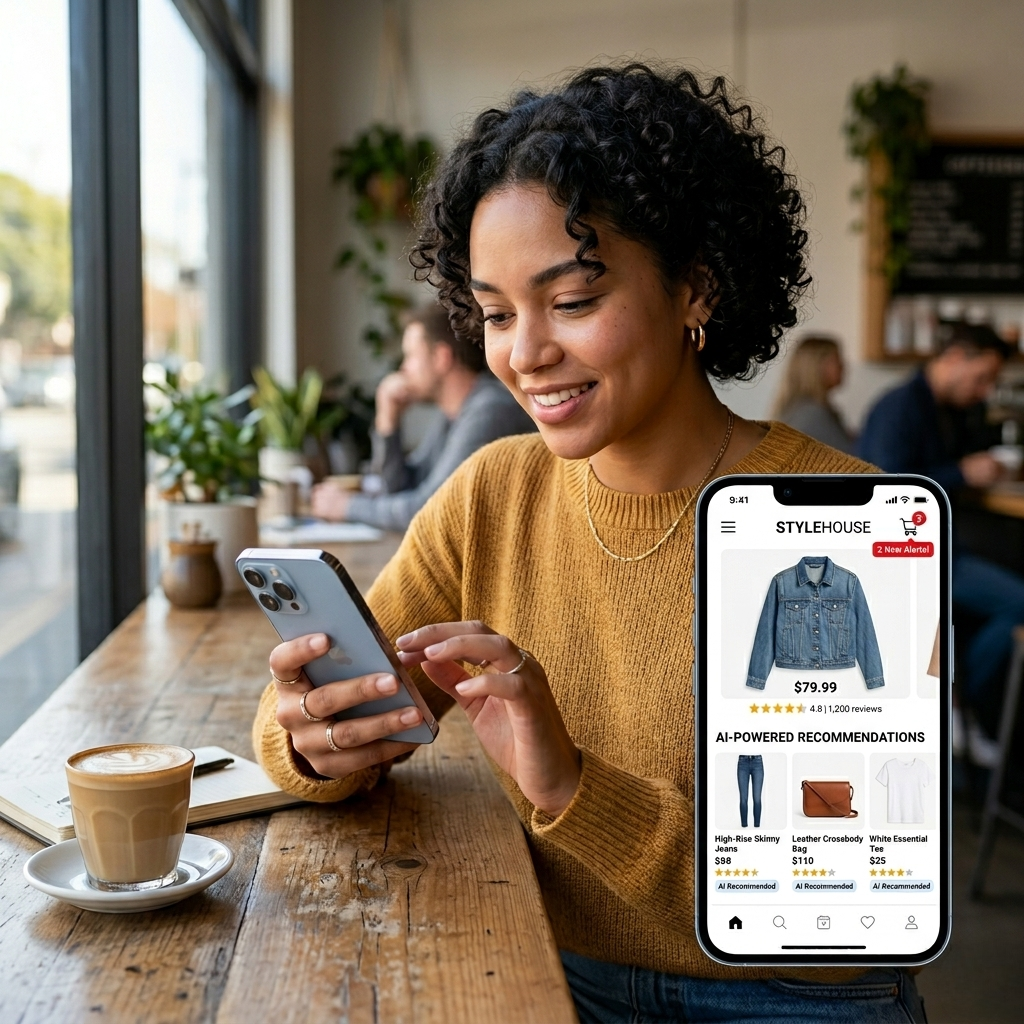
Today, personalization has taken on a whole new meaning. Companies are using artificial intelligence to help them understand consumer buying intentions and predict consumer preferences while providing more relevant experiences.
Some of the top e-commerce organizations are leveraging AI to create simplified decision-making processes for customers instead of complicated ones. The focus on reliable information is to create seamless experiences through e-commerce purchases.
- Mobile-First Shopping is the New Standard
The smartphone has become the major device consumers use to shop. Nowadays, most product discovery happens on social media, drawing on video content, product reviews, and recommendations from creative individuals, and the process is completed through a mobile-friendly experience.
The mobile shopping revolution is changing how businesses create websites and market their products. Companies that do not provide a mobile-friendly experience risk missing out on where customers engage.
- Trust Has Become a Business Advantage
Consumers have more choices than ever, and therefore, there has never been a more valuable asset than a trustworthy business.
Consumers expect to see authentic product reviews, clear pricing, return policies, and assurances that their personal data will be safe.
Trust plays a major role in retention. The majority of companies consider increasing their customer base; however, the ability to create a positive experience for their customers and have them return often leads to success for an organization in the long term.
The Increasing Importance of Consumer Intelligence
Consumer behavior is changing at such a rapid rate that many organizations are not keeping up.
Companies that are getting ahead of their competition tend to be those that invest heavily in both market intelligence and customer analytics. With the diminishing number of assumptions that can be relied upon, it has become increasingly important for decision-making in business to be entirely data-driven.
To gain superior market intelligence, many business leaders are turning to platforms like Tofler. These platforms provide sector-specific business reports such as the E-commerce Industry Report 2026, enabling leaders to understand customer behavior patterns within their industry, as well as the trends and competitive shifts shaping the e-commerce sector.
Future Steps for Businesses
Businesses’ future e-commerce journey will be led by companies with customers being at the forefront of decision-making for the business’s future. Below are the key focus areas for companies:
- Investing in improving the customer experience.
- Utilizing AI technology to provide increased personalization and efficiency.
- Providing transparency and consistent experiences to build trust with customers.
- Optimizing the entire “mobile” shopping experience for every stage of the journey.
- Making decisions based on the collected consumer data, not estimates.
Focusing on these areas will allow companies the opportunity to develop sustainable competitive advantages over their competitors.

Conclusion
Today, the consumer is raising the bar in terms of convenience, personalisation, speed, and trust. Businesses can no longer utilise the past tactics that were successful and expect to have similar success in the future.
The most successful organisations are likely to be those that understand their customers and respond thoughtfully to changes in expectations. The market will continue to evolve alongside technological advancements and changing market conditions; simultaneously, consumer behavior also keeps changing.
The businesses that win will not necessarily be the largest; they will be the businesses that can better understand their customers than any of their competitors and develop experiences that they want to return to.
Therefore, the way that consumers interact with an e-commerce platform or store today is completely different than what those same businesses were able to provide a little over five years ago.

