Introduction
Artificial intelligence is changing the way people chat, create stories, explore ideas, and interact with digital characters. AI chat platforms now offer more than simple question-and-answer conversations. Many provide personalized characters, long-term memory, creative writing support, roleplay experiences, and tools that help users complete everyday tasks. As these features become more common, people are looking beyond traditional chatbots to find platforms that match their interests.
This is where Kindroid alternatives become worth exploring. While some users prefer a dedicated AI companion, others want a flexible platform that supports creative conversations and a wider range of activities. Jenova offers a different approach by bringing AI-powered conversations and multiple creative and conversational agents into a broader experience. Understanding the differences between these options can help users choose a platform that fits their goals, whether they want engaging character interactions, writing assistance, or support with everyday questions.
Understanding Kindroid and AI Companion Platforms
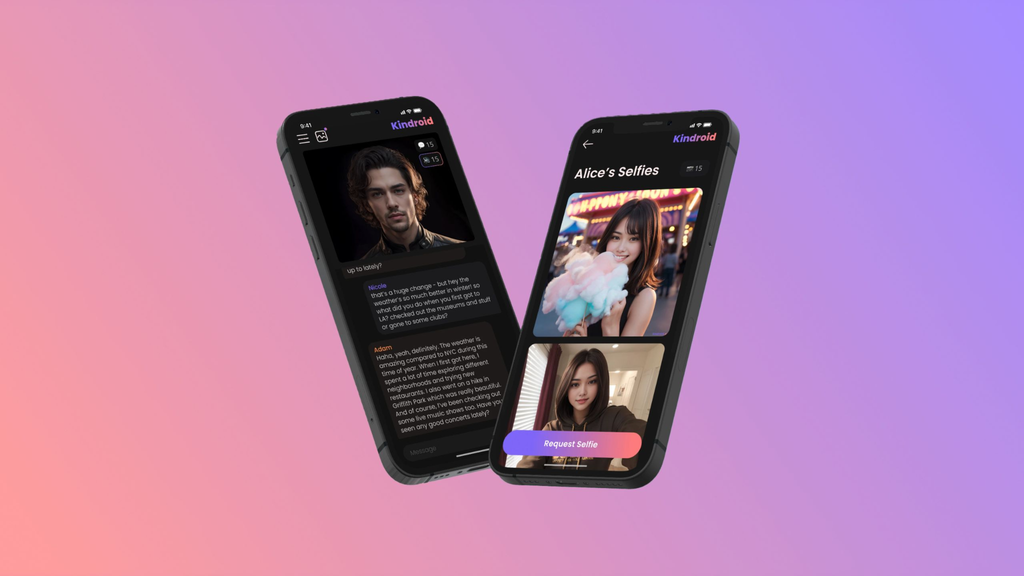
Kindroid is an AI companion platform designed around personalized conversations and interactive digital characters. Users can shape aspects of an AI character’s personality, background, communication style, and relationship with them. These features can make conversations feel more personal and support activities such as roleplay, storytelling, and casual companionship. Memory is another important part of the experience because it can help an AI maintain continuity across conversations.
However, the quality of memory, character consistency, and personalization may depend on the platform’s features and settings. AI companion apps are not all designed for the same purpose. Some focus mainly on emotional connection and character development, while others prioritize practical assistance, research, creativity, or productivity. Understanding this distinction is essential when comparing available platforms and deciding which features matter most for your daily use.
Why Users Explore Kindroid Alternatives
People search for Kindroid alternatives for different reasons, and there is no single platform that works best for everyone. Some users want more creative freedom, while others value stronger writing tools, access to different AI models, or a simpler interface. Pricing, message limits, privacy controls, customization options, and mobile accessibility can also influence a decision. A person who enjoys building fictional characters may prioritize personality settings and consistent roleplay, whereas a student or content creator might prefer an AI platform that can switch between brainstorming, explanations, and drafting tasks.
Some users also want to avoid relying on several separate applications for different needs. In these cases, a broader AI workspace may provide a useful alternative to a companion-focused service. Before switching platforms, users should identify their main goals and compare the features that directly support them. This approach makes it easier to find a suitable experience instead of choosing an app based only on popularity or promotional claims.
How Jenova Offers a Broader AI Experience
Jenova presents an alternative approach for people interested in exploring AI beyond a single companion experience. Rather than viewing every conversation through the lens of one digital personality, users can consider a broader environment for creative and conversational tasks. Depending on the tools and capabilities available, this type of platform can support activities such as generating ideas, developing stories, answering questions, organizing information, and exploring different approaches to a problem. This flexibility may appeal to users who want to move between entertainment and practical work without treating them as completely separate activities.
When evaluating Jenova, it is helpful to consider the range of agents or models available, how easily users can move between tasks, and whether the interface makes those options clear. Readers should also verify current features directly with Jenova, since product capabilities and access terms can change. The key distinction is the overall purpose: a dedicated companion emphasizes an ongoing character relationship, while a broader AI platform can be evaluated by the variety of conversations and tasks it supports.
Comparing Memory, Personalization, and Creative Freedom
Memory and personalization play a major role in the quality of an AI conversation. In a companion app such as Kindroid, users may value an AI that remembers character details, recurring topics, personal preferences, and the direction of an ongoing story. Strong continuity can make roleplay more engaging and reduce the need to repeat information. Creative freedom matters, too, because users may want to develop fictional settings, explore different character personalities, or build complex storylines over multiple sessions. When comparing Kindroid alternatives, it is important to distinguish between character memory and general conversational context.
These functions may sound similar, but they can serve different purposes. A platform designed for several types of AI tasks may offer flexibility without providing the same companion-focused experience. Likewise, a specialized companion app may deliver more targeted character controls without offering the same breadth of general-purpose tools. Users should test realistic conversations, review memory settings, and check how each service handles saved information before deciding which option best supports their preferred style of interaction.
Choosing the Right Platform for Your Needs
The best choice depends on what you expect from an AI chat platform. If your main interest is a persistent digital character, personalized roleplay, and relationship-based conversations, a dedicated companion app may be a natural fit. If you regularly switch between creative writing, research, idea generation, and practical questions, a broader platform such as Jenova may deserve a closer look. It is also worth comparing usability, response quality, supported devices, subscription costs, and privacy policies. Free access can be helpful for testing a service, but users should check whether advanced features require a paid plan or have usage limits.
Privacy deserves special attention when conversations contain personal details, original stories, or sensitive information. Read the provider’s policies to understand what data may be stored, how it may be used, and what controls are available. Instead of relying on a long list of advertised features, try the same few tasks on each platform. For example, create a short story, revisit a previous conversation, ask a complex question, and explore personalization settings. Comparing these results gives you a clearer picture of how well each service fits your needs.

